
"rather than"
4000 article(s) found

Knowledge of coffee taste and taste evaluation of fine coffee
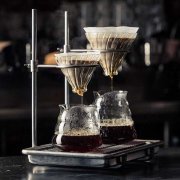
According to some traditional coffee evaluation index methods, coupled with the actual operation and habits of individuals, some knowledge of evaluating the taste of coffee was summarized. Generally speaking, coffee taste evaluation is mainly carried out from four aspects: aroma, taste, taste and aftertaste.
How to identify good coffee beans and select coffee beans
No matter what kind of coffee beans, freshness is an important factor affecting the quality. When shopping, grab one or two coffee beans and chew them in your mouth. If the coffee beans are crisp and sound, and the tooth pods stay fragrant is the top grade, but it is best to squeeze them with your hands to feel whether they are solid, rather than buying empty-shell coffee. If the coffee bean has lost its fragrance or smells stale, it means
A brief introduction to the Market Price of Peruvian Fine Coffee Bean varieties with medium texture
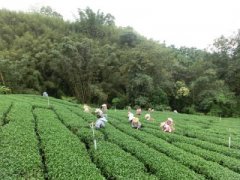
Peru's finest coffee is produced in Chaximayo, Cusco, Note and Puno. Most Peruvian coffee is grown under natural conditions, but it is also difficult to confirm the cultivation of all coffee trees. Coffee grown under natural conditions costs 10% 20% more than others and is exported to the United States and Japan. The quality of Peruvian coffee is comparable to that of any kind of coffee in Central or South America. Peruvian Institute
The Origin of Cat poop Coffee beans
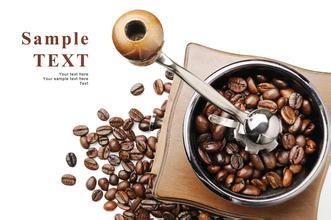
According to the boss of the coffee company, the Kafe brand guarantees 100% of the pure wild kopi luwak. Sumatra beans, a musk cat, must be produced in the Sumatra plateau more than 1000 meters above sea level, rather than that many outside are produced in Vietnam or other plains in Indonesia. Many Indonesian farmers are coffee beans produced by captive muskcats. On the market today

A brief introduction to the planting market price of rich and sweet Peruvian boutique coffee beans
Peruvian coffee market: the private Peruvian Coffee exporters Association (ComeradeExportadoresdeCafedelPeru) has been established, which is committed to improving the quality of coffee, and its primary task is to set standards and eliminate inferior products, thus creating an atmosphere of quality supremacy. This positive move heralds a bright future for the coffee industry. After that, as prices rose, farmers were also encouraged.

Brief introduction of planting Market Price of Peruvian Fine Coffee Bean varieties with palatable acidity
Peru is also a big coffee producer. Up to 98% of Peruvian coffee is grown in forest areas, and most producers are small farmers. Coffee is high-quality and balanced and can be used for mixed drinks. Peru has good economic conditions and a stable political situation, thus ensuring the good quality of coffee. In the mid-1970s, Peru produced about 900000 bags of coffee a year, and later
Introduction of Cat poop Coffee beans Fine Coffee
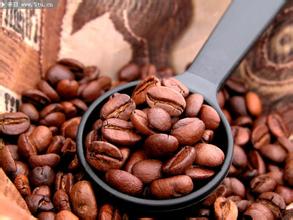
According to the boss of the coffee company, the Kafe brand guarantees 100% of the pure wild kopi luwak. Sumatra beans, a musk cat, must be produced in the Sumatra plateau more than 1000 meters above sea level, rather than that many outside are produced in Vietnam or other plains in Indonesia. Many Indonesian farmers are coffee beans produced by captive muskcats. On the market today
Coffee knowledge terminology for coffee taste evaluation
With regard to the evaluation of coffee, we have previously sorted out the evaluation of individual coffee, but most of them are personal perceptual feelings and lack of professional terminology description. Below, we will sort out the factors of coffee taste evaluation in more detail in the light of the terms and personal feelings of the World Coffee Organization. According to the World Coffee Organization, first of all, the terms of coffee product evaluation are roughly divided into three parts:
The difference between Commercial Coffee beans and High-quality Coffee beans introduction to the taste evaluation characteristics of commercial coffee beans
Professional coffee knowledge exchange more coffee bean information Please pay attention to coffee workshop (Wechat official account cafe_style) Coffee sold on the market is generally divided into three categories: industrial coffee, commercial coffee and boutique coffee, the distinguishing criteria are as follows: (1) Industrial coffee: 100% pure robusta grown coffee beans. (2) Merchants

A brief introduction to the History and Culture of the Origin and Development of Peruvian Fine Coffee beans
Peruvian coffee market: the private Peruvian Coffee exporters Association (ComeradeExportadoresdeCafedelPeru) has been established, which is committed to improving the quality of coffee, and its primary task is to set standards and eliminate inferior products, thus creating an atmosphere of quality supremacy. This positive move heralds a bright future for the coffee industry. After that, as prices rose, farmers were also encouraged.

A brief introduction to the Origin, Development, History and Culture of Peruvian Fine Coffee beans with palatable acidity
Peruvian coffee market: the private Peruvian Coffee exporters Association (ComeradeExportadoresdeCafedelPeru) has been established, which is committed to improving the quality of coffee, and its primary task is to set standards and eliminate inferior products, thus creating an atmosphere of quality supremacy. This positive move heralds a bright future for the coffee industry. After that, as prices rose, farmers were also encouraged.

A brief introduction to the Market Price of Peruvian Fine Coffee Bean varieties with mild sour Taste
Peruvian coffee is grown in a planned way, which has greatly increased coffee production. Peruvian coffee has a mellow taste and proper acidity, and this lukewarm coffee attitude has made more and more people like it. Peruvian coffee has always been used as one of the stable mellow mixed beans of comprehensive coffee. Its rich acidity and mellow smoothness are its most prominent features. Peruvian coffee

A brief introduction to the cultivation of Peruvian boutique coffee beans with medium texture, geographical location, climate and altitude
Peru's finest coffee is produced in Chaximayo, Cusco, Note and Puno. Most Peruvian coffee is grown under natural conditions, but it is also difficult to confirm the cultivation of all coffee trees. Coffee grown under natural conditions costs 10% more than others and is exported to the United States and Japan. The quality of Peruvian coffee is comparable to that of any kind of coffee in Central or South America. Peru

A brief introduction to the cultivation of sweet and rich Peruvian boutique coffee beans, geographical location, climate and altitude
Peruvian coffee is grown in a planned way, which has greatly increased coffee production. Its rich acidity and mellow smoothness are its most prominent features. Peruvian coffee has a soft sour taste, medium texture, good taste and aroma, and is an indispensable ingredient in the production of comprehensive coffee. High-quality Peruvian coffee with a strong aroma, smooth, layered and full-bodied

A brief introduction to the flavor, taste and aroma characteristics of Peruvian boutique coffee beans with medium texture
Peru is also a big coffee producer. Up to 98% of Peruvian coffee is grown in forest areas, and most producers are small farmers. Coffee is high-quality and balanced and can be used for mixed drinks. Peru has good economic conditions and a stable political situation, thus ensuring the good quality of coffee. In the mid-1970s, Peru produced about 900000 bags of coffee a year, and later

A brief introduction to the flavor, taste and aroma characteristics of Peruvian boutique coffee beans with balanced taste
Peru is a huge and diversified land for them to produce a large number of different kinds of coffee beans, Peru can produce very high-quality Peruvian coffee. In general, these coffee beans have the gloss of Central America, but they are all packaged in South American flavor. High-quality organic venues do have more rural coffee characteristics. As long as these coffee beans keep adding interesting things

The change in coffee consumption trend will benefit McDonald's and Starbucks
Professional baristas follow the coffee shop (Wechat cafe_style) Balon Weekly website reports that young Americans may not drink several cups of coffee a day as their elders do, but are more likely to go out to buy coffee rather than brew it at home, a trend that could be good news for McDonald's and Starbucks. Bernstein analyst Santa Torre
Jamaican coffee has a bright future in the American market.
According to dental media reports, the Secretary of Dental Agriculture learned during a recent visit to the United States that the Jamaican non-Blue Mountain coffee recently developed by Ya Blue Mountain Co., Ltd. has a bright future in the United States. The Jamaican coffee produced by Ya Blue Mountain Co., Ltd. uses coffee grown in the mountains about 1500 feet above sea level, rather than from the Blue Mountains. Fresh delivery is a feature of Blue Mountain Co., Ltd.
Timor (Tim)
Timor: a hybrid of Arabica and Robusta found in East Timor, but closer to Arabica because its chromosomes are 44 in Arabica rather than 22 in Robusta. Tim's sour taste is low, lack of characteristics, Taiwan is often used to make low-cost formula beans, but East Timor also has washed high-altitude purebred Tibica, which has entered the boutique market in the United States
Drinking Coffee Trilogy: smell fragrance and view color coffee
Smell the fragrance and taste the strong aroma of the coffee; look at the color, the coffee had better be dark brown, rather than dark, deep to the bottom; taste, first drink a sip of black coffee, feel the taste of the original coffee, the coffee entrance should be some sweet, slightly bitter, slightly sour. Temperature: the best temperature for drink coffee is 85-88 degrees Celsius.